
Sunderland manufacturer leading the way for sustainability in electric car motors
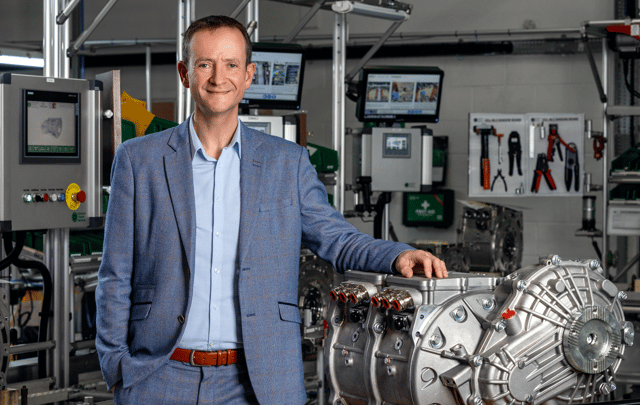

A Sunderland manufacturer is leading the way for sustainable passenger vehicles.
AEM - which stands for Advanced Electric Machines - works with academics, industrial partners and global vehicle manufacturers to develop the most sustainable and highest performing powertrain solutions for electric vehicles, from passenger cars and trucks to tractors and aerospace.
Now, the Washington-based business has secured a seven-figure development contract with a major international original equipment manufacturer to supply its unique rare-earth free electric motors at a time when global supply chains for rare earth materials are collapsing.
It comes as the company unveils its SSRD (Super Speed Reluctance Motor) technology demonstrator for passenger cars, showing that high performance can be achieved using only abundant, widely available materials.
A spokesperson for the firm explained that the automotive industry's reliance on rare earth permanent magnet motors has created supply chain concentration that presents strategic challenges for the sector.
With over 85% of global rare earth processing concentrated in a single region, manufacturers face potential vulnerabilities from supply disruptions, price volatility, and the natural challenges of highly concentrated supply chains.
Unlike traditional permanent magnet motors, the SSRD doesn’t rely on the neodymium, dysprosium, and other elements from these supply chains.
"This technology demonstrator proves that British innovation can address one of the automotive industry's key supply chain challenges," said Dr James Widmer, CEO and co-founder of Advanced Electric Machines. "We're demonstrating a path to enhanced supply chain resilience while delivering superior performance outcomes for our customers."
"We're proving that supply chain diversification is achievable today," emphasised Dr Widmer. "This demonstrator shows passenger car manufacturers that they can achieve superior performance while building more resilient and flexible supply chains."