
First images of how proposed Glassworks Sunderland could look
The planning application comes in the same month as Sunderland is set to lose its National Glass Centre.
These are the first images of how the proposed Glassworks Sunderland glassmaking facility could look.
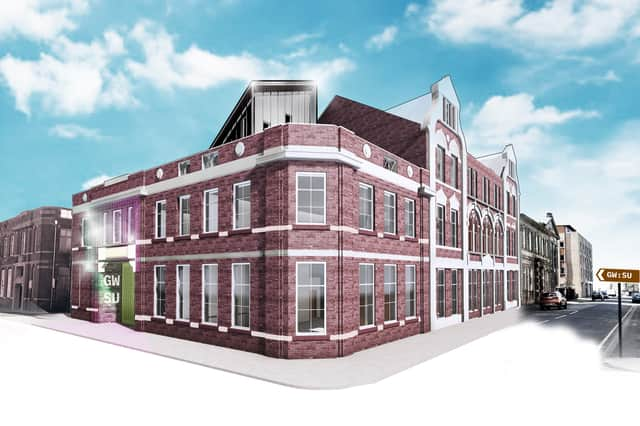

Sunderland City Council’s planning department has now received an application to transform the former Peter Smith Antiques building in Borough Road, Sunniside, into Glassworks by Sunderland Culture, who announced their intentions for the old warehouse in January 2025.
If approved, and subject to additional match funding to an existing £5m grant from the Department for Culture, Media and Sport’s (DCMS) Cultural Development Fund, which is administered by Arts Council England, the facility would provide new specialist facilities, workspaces, learning opportunities and business support for glassmakers and creative enterprises.
Glassworks, which is a glassmaking facility, as opposed to a big visitor attraction, would be scheduled to open in 2028, but its planning comes at a time when Sunderland is set to lose its dedicated glassmaking and visitor site, National Glass Centre, with the NGC due to close on July 31, 2026.
Despite the date looming, the fight continues to save NGC, with more than 47,000 people signing a petition to save the major visitor attraction and glassmaking facility.
It recently joined SAVE Britain's Heritage buildings at risk register and many have questioned the decision to close the centre by its owners, University of Sunderland, who have cited repair costs as the reason.
Earlier this year, the NGC concept architect, Andy Gollifer, joined campaigners to question the costs with the campaign group previously referring to Glassworks as a ‘poor substitute’ to the existing National Glass Centre.
Sunderland Culture says Glassworks is not a replacement for NGC, but is a bid to retain glassmaking in the city, a skill that dates back 1,350 years on Wearside.
Tom Billington, Chair of Sunderland Culture, who have submitted the application for Glassworks, said: “Glassworks is a reimagined, future-facing, community-driven centre of excellence that will safeguard world-class glassmaking in the city.
“It is not a replacement for NGC, there will be no café or galleries, but Glassworks is a critical intervention to retain skills, talent and production capacity in Sunderland.”
A decision on the planning application will be taken at a Sunderland City Council planning committee meeting in early Autumn.
Nick Malyan, Chief Executive Officer, Sunderland Culture, added: “Glassworks will support makers through access to facilities, shared resources, routes to market, commissions, business support and professional development.
“Our aim is that Glassworks will build a larger more resilient maker ecosystem, and we thank Sunderland glassmakers for their support and practical advice in drawing up our plans.”
Sarah Brown, Chair of the national Contemporary Glass Society, said: “Sunderland’s connection with glass is recognised around the world, and Glassworks: Sunderland plans to enable glassmaking to continue in the city for many years to come.
“We hope that the provision of much-needed facilities, skills development and business support for artists and makers, will help to inspire the next generation of talent. Its impact will be felt not only in Sunderland but across the UK glass sector, making it a project of genuine national importance.”
What would Glassworks provide?
The planning application reveals:
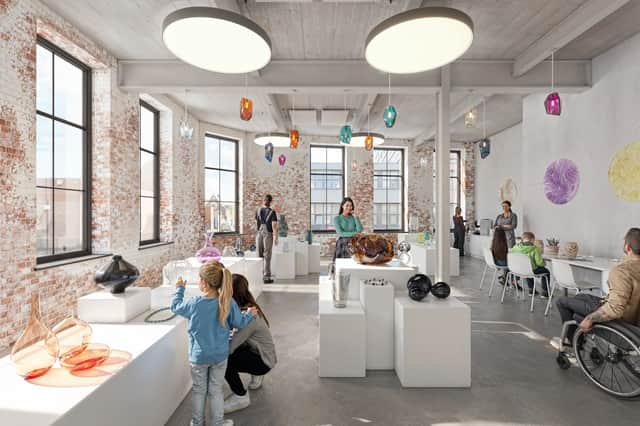
*Glassworks will welcome the public throughout the ground and first floor for classes and activities, but the building is primarily conceived as a space for glassmakers;
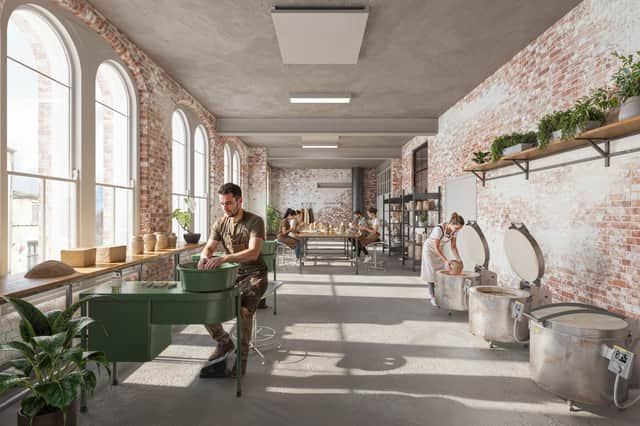
*Each discipline of glassmaking and ceramics currently available at the National Glass Centre (NGC) will be retained in the new facility;
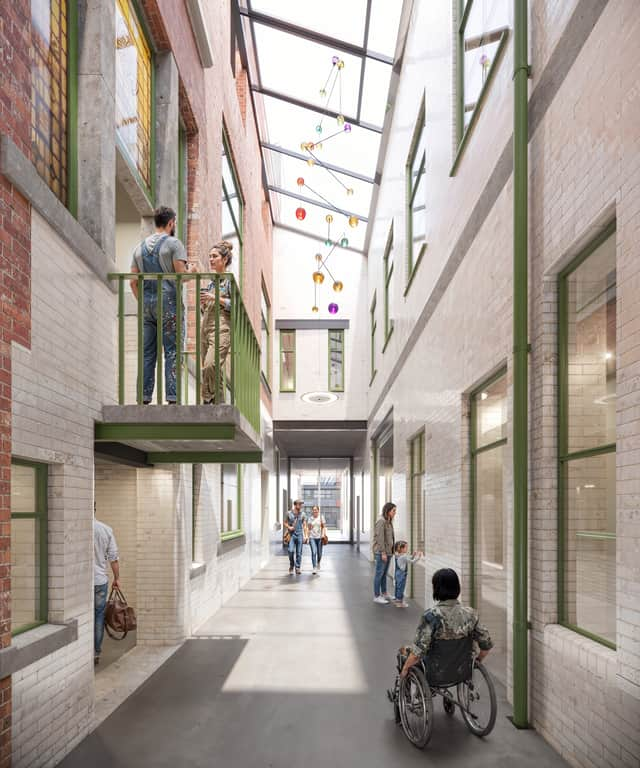
*The building has been designed with equitable access throughout with a lift reaching all floors;
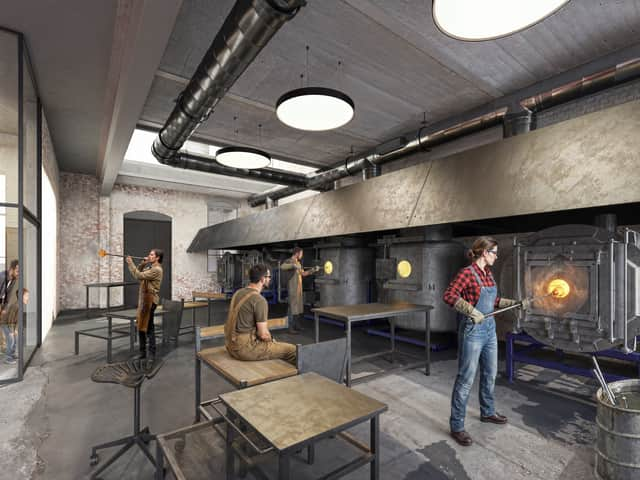
*The design retains the historic fabric with exposed brick, stone staircases and original features from the 19 th century Durham and Sunderland County Institute for the Blind;
*The upper floors are available for flexible creative offices and maker studios – more studio space is proposed than currently available at NGC;
*Glassworks will have an energy efficient and decarbonising layout backed by a dedicated on-site substation;
*Heat produced from the 1,150oC furnaces will be recovered to warm the co-working and public spaces.